Blue as Argument
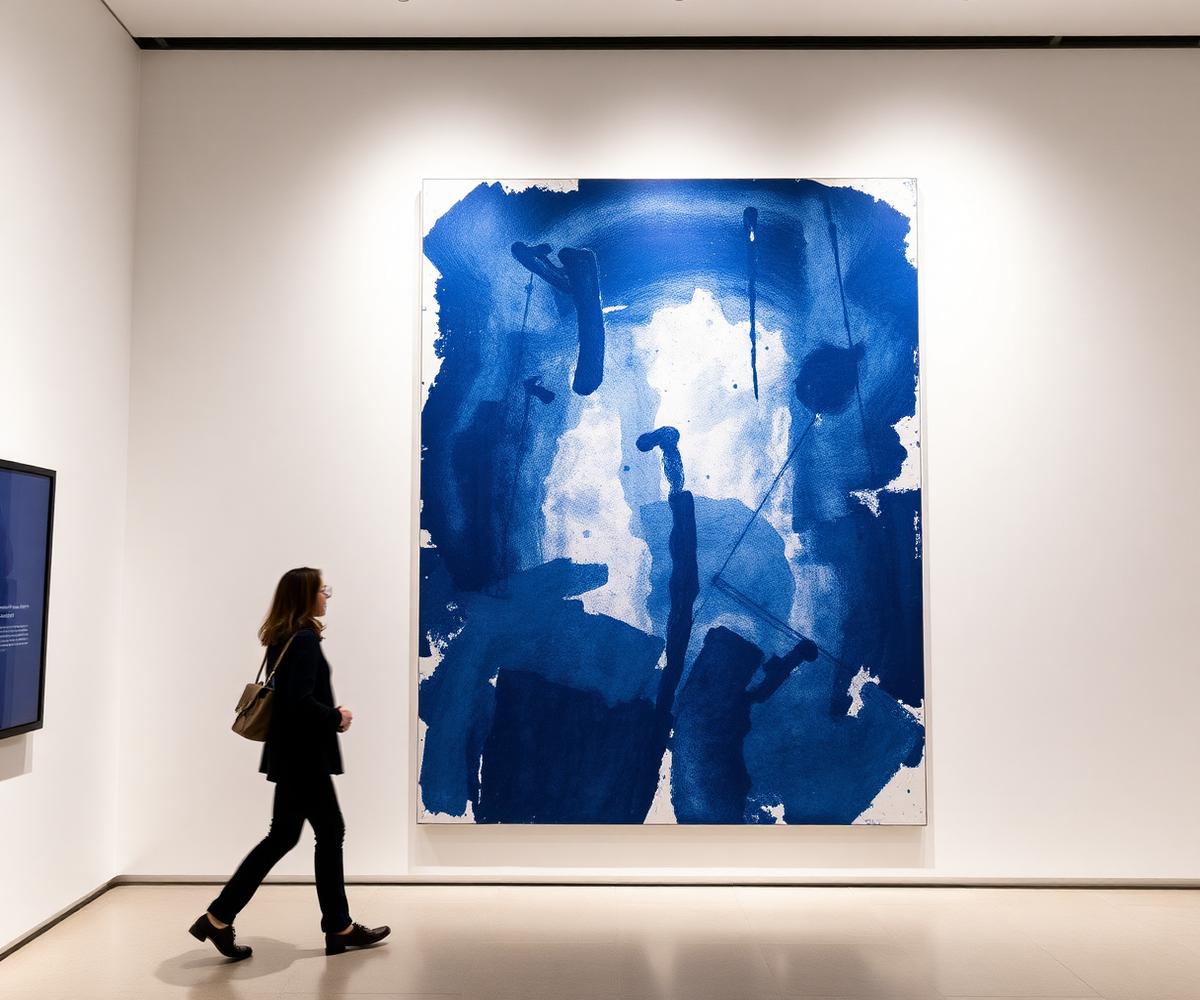
Seoul's painters have made a single pigment into a position on history, labour and light.
Ji-woo Park · 12 July 2026 · 11 min read
In Seoul, the conversation about contemporary painting has moved past novelty. What began as a handful of studios working quietly against the grain has become a coherent position — one with its own vocabulary, its own patrons, and increasingly, its own market.
The shift is generational but not only generational. A cohort trained abroad has returned with the confidence to reinterpret rather than replicate, and the institutions that once looked west for validation now find themselves courted from the other direction. The result is a scene that feels less like an emerging market and more like a centre of gravity.
“One colour, held long enough, becomes a sentence.”
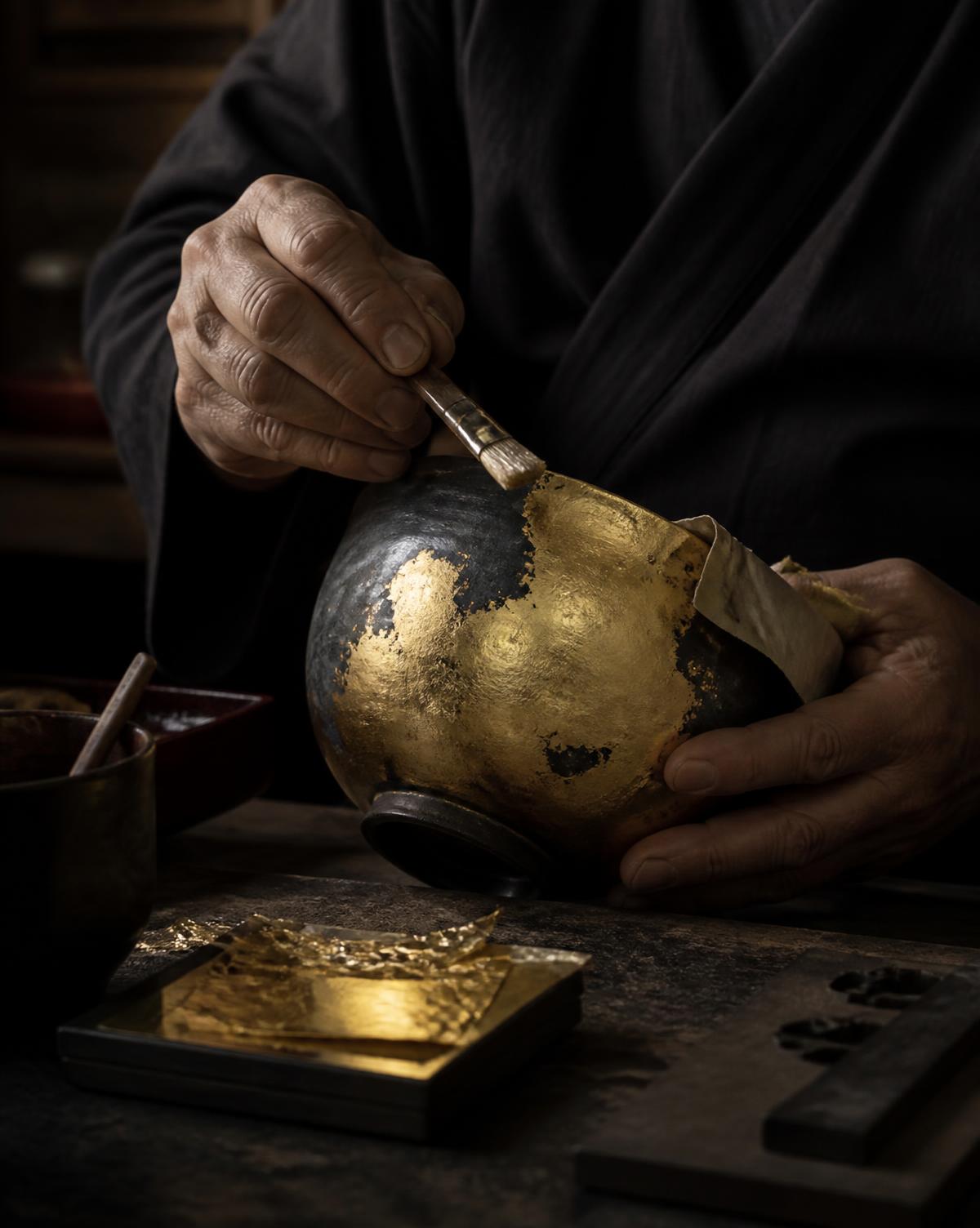
What distinguishes the work is patience. Nothing here is hurried; nothing is designed for the algorithm. Materials are sourced from workshops that have supplied the same families for four generations, and the finish is measured in seasons rather than weeks.
That patience carries a cost, and the people making these decisions are candid about it. Margins are thin. Apprenticeships are long. But the alternative — a faster, flatter, more legible product — has been tried, and the market has largely rejected it.
If there is a thesis emerging from Seoul this year, it is that legitimacy cannot be imported. It has to be built, slowly, in public, by people willing to be judged on a timescale longer than a single collection or a single cycle.
Written by
Ji-woo Park
Art Critic
Reader notes
Next story
Complications Worth Keeping
Related